Breath, Wood, and Steel Above the Treeline

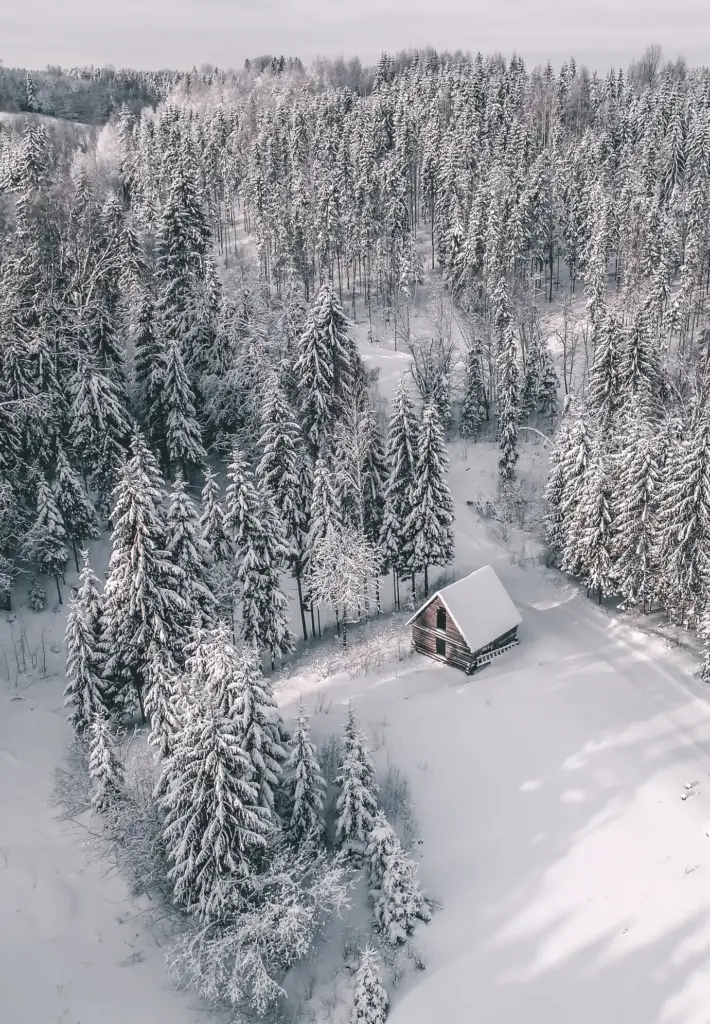
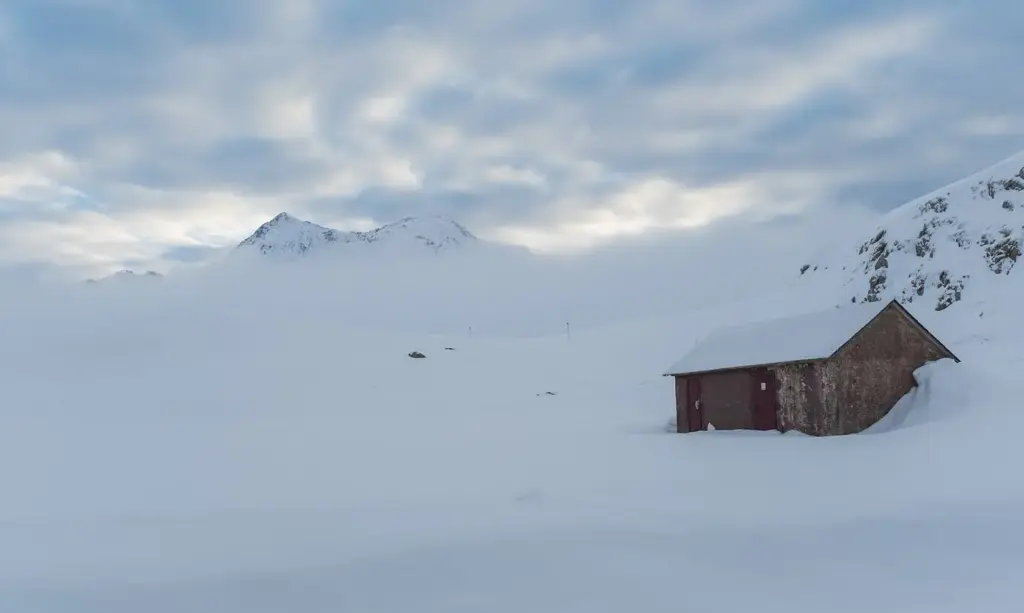
Step into the quiet rhythm of hand-tool woodworking in high-altitude cabins, where thin air sharpens attention, dry boards sing under the plane, and the stove ticks like a metronome. Today, we explore hand-tool woodworking in high-altitude cabins, its challenges, rewards, and practical methods that keep creativity alive above the treeline.

Sharpening That Stays Sharp When the Air Is Dry

Dry air accelerates oxidation and makes edges feel skittish on brittle fibers. Favor durable microbevels, strop more frequently, and keep a small bottle of oil or alcohol for stones that balk at freezing water. A thicker slurry improves feedback, while a light coat of paste wax on fresh edges reduces corrosion between sessions by the stove.

Planes, Saws, and Chisels That Welcome Cold Mornings

Cold steel contracts and wood stiffens, magnifying chatter and tear out. Wax the plane sole, try a higher pitch frog or back bevel for wild grain, and take thinner shavings with a deliberate push. Saws appreciate minimal set for clean tracking in dry stock, while chisels benefit from lighter taps that respect brittle earlywood near knots.

Choosing Species That Resist Splits Beside the Stove

Tight ringed softwoods like larch and fir handle dryness with stoic grace, while air dried oak or ash may need extra time and gentle heat. Favor quartersawn stock for stability, seal end grain immediately, and store blanks away from direct stove drafts. Selecting resilient species upfront reduces frantic repairs when temperatures plummet and boards begin complaining audibly.

Slow Acclimation With Stacks, Stickers, and Patience

Stack boards loosely with even stickers, elevate everything from cold floors, and allow air to move quietly around each piece. Weigh stacks to discourage cupping, log moisture readings, and listen for subtle checks. A single extra day can save a panel. Let the wood speak in its creaks and sighs, then cut when it relaxes.

Portable Benches and Workholding for Small Cabins

A cramped loft or narrow porch can still host serious work. Choose knockdown benches, lightweight slabs, or clamp on solutions that store vertically. Clever workholding beats mass when floors are uneven. Dogs, wedges, and portable vises extend capability without scarring family tables, while travel friendly benches anchor precision amid creaking boards, wool socks, and morning frost.

Heat, Light, and Finish in Mountain Rooms

Finishing in the cold demands foresight. Shellac flashes fast, oils creep slowly, and wax bridges imperfect evenings. Warm finishes gently in a water bath, never on direct flame, and ventilate well. Chase daylight, tame shadows, and protect tacky surfaces from embers or drifting ash. Patience transforms chill air into a cooperative, polishing ally.

Warming Oils Safely, Choosing Shellac or Wax in the Cold

A lukewarm water bath loosens thick oils and improves penetration without risking ignition. When time is tight, shellac’s quick set is a gift, while a soft wax topcoat adds warmth and repairability. Test on offcuts, wipe thinner coats, and keep oily rags outside in a sealed metal container where sparks and memory both stay safe.

Daylight Tactics and Candle Aware Shadows That Hide Tear Out

Work near a window, orient boards to catch raking light, and chase highlights that reveal torn fibers early. Candles create dramatic shadows that mislead, so supplement with a low lamp across the surface. Frequent planing or scraping between coats ensures clarity. Gentle dust control and fresh cloths keep finishes honest, clear, and quietly luminous.

Stories from the Loft: Lessons Carved During Storms

When wind presses the eaves and snow closes the path, the bench becomes company. Small victories echo in creaks, not applause. A careful mortise steadies nerves. A straight shaving warms the spirit. These moments teach resourcefulness, kindness toward mistakes, and the deep comfort of craftsmanship alive inside weather’s unblinking gaze.

Gather Around the Bench: Share and Stay Connected

Your cabin insights matter. Tell us what worked, what failed, and what improvised trick earned a grin when tools felt stubborn. Ask questions, swap finishing recipes, and trade hard lessons graciously. Subscribe for new posts, seasonal prompts, and small experiments designed to keep your bench lively through storms, thaw, and bright shoulder seasons.
Falitetezameviralu
Privacy Overview

This website uses cookies so that we can provide you with the best user experience possible. Cookie information is stored in your browser and performs functions such as recognising you when you return to our website and helping our team to understand which sections of the website you find most interesting and useful.