
Crafting Shelter High in the Mountains, By Hand
Today we dive into Vernacular Alpine Architecture: Timber Framing and Dry-Stone Techniques Without Power Tools, celebrating the quiet intelligence of people who built warm, enduring homes with axes, chisels, and patient hands. Expect practical methods, hard-earned field wisdom, and stories from ridgeline hamlets where snow loads, avalanches, and deep cold shaped every joint and stone. Share your questions, tell us about a mountain cabin you love, and subscribe to follow future deep dives into resilient, low-tech building craft.

Finding Wisdom in Slope, Sun, Wind, and Local Materials
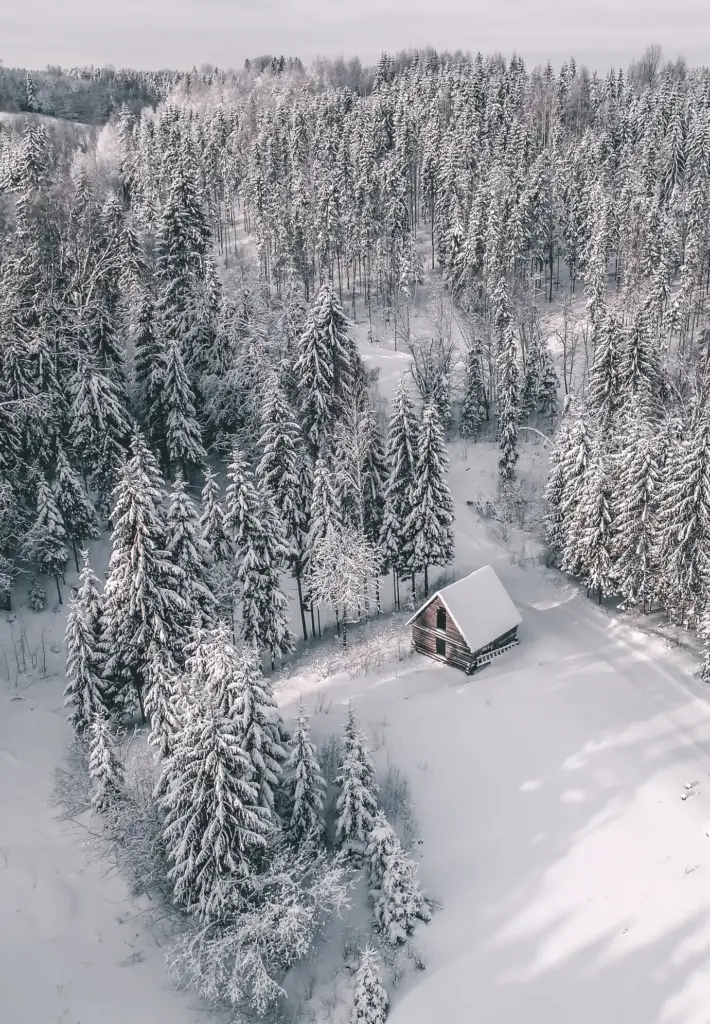
Before the first log is hewn, builders read the mountain’s moods: where the winter sun lingers, how katabatic winds slide through the valley, and where snow drifts settle after a hard storm. Orientation and siting reduce cold exposure, lighten heating needs, and protect entrances from ice. Choosing larch, spruce, or pine growing nearby, then pairing those timbers with regional stone, creates harmony between structure and landscape. Comment with your own site observations and how they influenced a small project or homestead.

Reading the Landscape Like a Long-Time Herder
Walk the contour lines at dawn and dusk, noticing frost pockets, animal paths, and avalanche runout zones. Watch snow banners trace prevailing winds off the ridges, revealing where drifts will pile. Note rock outcrops that break gusts and slopes that warm early. A porch tucked behind a shoulder of land can change daily comfort. Share a sketch or photo of a place where wind or sun convinced you to shift a door, window, or sleeping loft.
Selecting Timber with Mountain Memory
Larch resists rot, spruce offers straight, forgiving grain, and high-altitude pine seasons with surprising stability. Fell in winter when sap is low, then raise the logs off ground to dry with free air movement. Mark crowns so growth rings face expected loads. The origin grove matters: trees shaped by storms often yield stronger fibers. Tell us which species you prefer for sills, posts, and rafters, and why your region’s microclimate changes that decision.
Timber Frames Shaped by Axes, Scribes, and Patience
The heart of these shelters is a lattice of posts, beams, and braces locked by joinery that swells tighter as seasons change. Without electricity, layout becomes choreography: chalk lines, plumb bobs, winding sticks, and a scribe dancing along grain. Each mortise-and-tenon is tuned to wood’s stubborn will. Tell us which part of layout intimidates you most, and we’ll gather tips, sketches, and tool references tailored to your next weekend of practice.

Walls That Breathe: The Art of Dry Stone
Dry-stone walls hold because gravity, friction, and geometry cooperate gracefully. A generous batter leans the wall into the hill, hearting fills voids without choking drainage, and through-stones stitch faces together. No mortar means moisture escapes instead of cracking rigid bonds. These walls age beautifully, gaining strength as they settle. Share a picture of your first practice stack; we’ll help you diagnose gaps, suggest training stones, and plan for corners that refuse to drift.
Interlock, Heart, and Batter
Place long stones into the wall, not along it, so energy travels inward instead of shearing faces. Keep joints broken, never stacking vertical seams. Heart carefully with tight, small pieces, avoiding round, rolling marbles. Establish a consistent batter using a simple template or string. Each lift should knit to the last, not balance above it. Post your trick for judging batter on uneven ground; a humble stick gauge often outperforms fancy gadgets.
Through-Stones, Tie-Stones, and Quiet Strength
At intervals, lay stones that span both faces, pulling the wall into one body. In corners, generous tie-stones prevent peeling under snow creep. Favor thick, confident pieces over thin showpieces. Track placement with chalk marks to avoid accidental clustering. When in doubt, seat with a wooden mallet, listening for the dull, settled thud. Share how you record through-stone spacing, and whether you prefer visual patterns or a measured cadence along the course.
Living With Snow, Fire, Water, and Tremors
Alpine builders design for moving weights and shifting risks. Steep, well-braced roofs release snow predictably, while deep eaves shield timber from wet cycles. Stone plinths elevate sills above splash. Flexible frames and rocking walls dissipate tremors rather than resisting them rigidly. Fire spacing, shutters, and mineral finishes add protection. Tell us your climate extremes, from rime ice to late thaws, and we’ll explore detailing that turns persistent hazards into manageable, almost rhythmic events.
Pitch high enough to slide heavy snow without avalanche off the eaves. Snow-fence details can pace shedding above doorways. Use generous outriggers and drip edges to keep runoff away from timber bases. Ventilate under the roof to flush moisture; an unvented cold roof invites ice dams. Share your roof span, pitch, and preferred cover—shingle, shake, or stone slab—and we’ll discuss nailing schedules, purlin spacing, and safe access for winter maintenance.
Braces set at thoughtful angles create triangles that share loads, yet timber remains forgiving under racking. In stone, a dependable batter and tight interlock allow controlled rocking during tremors instead of catastrophic cracking. Avoid brittle, over-stiff connections that concentrate stress. Where available, add reversible, low-visibility straps. Describe your seismic zone and soil type; we’ll suggest joint tolerances and anchoring strategies appropriate for gentle quakes and the occasional sharp jolt.
Tools Without Cords: Rhythm, Sound, and Safety
Hand tools set the pace of honest work. The axe introduces, the adze refines, the saw persuades, and the auger seals agreements with pegs. Without motors, you hear grain change pitch and feel fibers relax under a tuned edge. Patience grows naturally. Post your current kit, what feels awkward, and which tool you want to master next; we’ll suggest sharpening angles, practice cuts, and ways to build stamina without strain.
Axes, Adzes, and Hand Saws That Earn Their Keep
A single-bit felling axe, a broad axe for hewing, a balanced adze for smoothing, and a rip-capable frame saw will carry most tasks. Keep handles fitted to your stance, not catalog averages. Learn to start cuts with light, accurate strokes. Rotate tasks to rest muscles. Share your height and preferred handle lengths; we’ll propose comfortable geometries and small modifications that make long sessions feel rhythmic instead of punishing.
Seasoning, Hewing, and Moving Heavy Things Gently
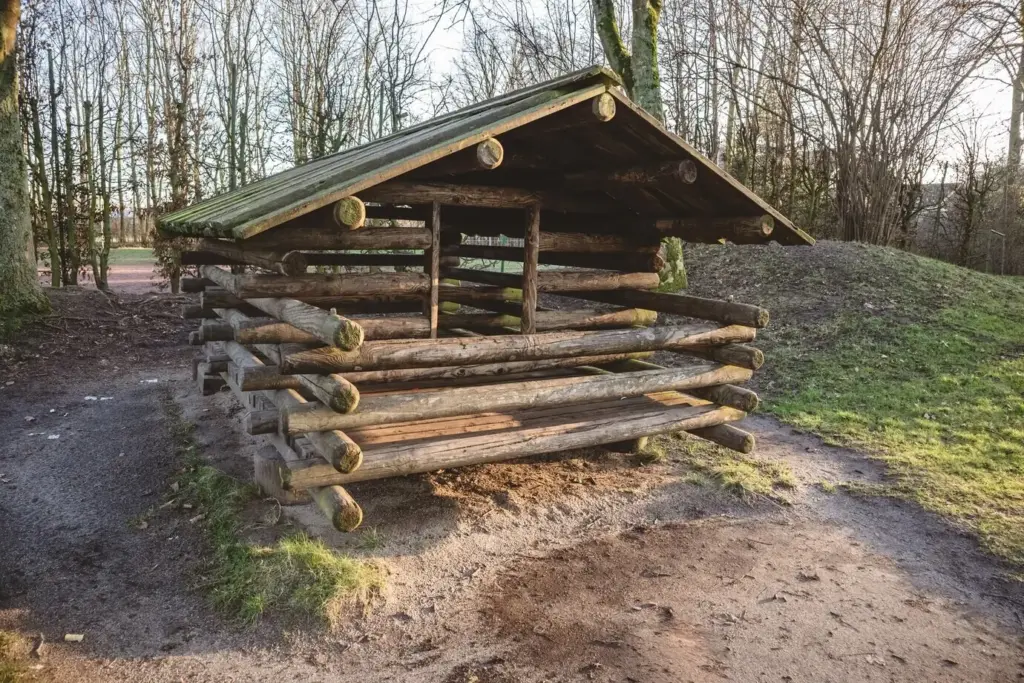
Stack logs on level skids with spacers, allowing wind to pass while sun doesn’t scorch. Hew with the heart side down to control checking. For moving, combine levers, rollers, and sleds with calm planning; momentum beats brute force. Protect edges with simple leather guards. Tell us your storage space and climate, and we’ll suggest stacking patterns, hewing sequences, and safe, low-tech ways to reposition beams without strained backs or scuffed faces.
Carrying Old Knowledge Into New Cabins and Community Life
Tradition thrives when adapted with care. You can design a tiny retreat or trail shelter that respects slope, timber, and stone while meeting modern safety expectations. Reversible upgrades—like removable storm shutters or discreet straps—protect without scarring character. Community workdays revive skills and friendships. Tell us what you hope to build, your constraints, and your timeline; we’ll help translate alpine craft into plans, material lists, and gatherings that feel like celebrations rather than deadlines.
All Rights Reserved.